.jpg)
Breakthrough in cell therapy for brain diseases
Research team demonstrates replacement of microglia is possible
An international research team led by Professor Kiavash Movahedi from the Brussels Center for Immunology at the Vrije Universiteit Brussel has published groundbreaking results today in the prestigious journal Immunity. Their study sheds new light on the possibility of effectively replacing defective microglia—the brain’s immune cells—marking a potential breakthrough in the treatment of neurodegenerative diseases such as Alzheimer’s and Parkinson’s.
Microglia are essential for healthy brain function. Defective microglia are increasingly linked to the development of neurodegenerative disorders. “Microglia are unique,” says Prof. Movahedi. “They originate early in embryonic development and maintain themselves throughout life without being replaced by new cells from the blood. That makes them special, but also vulnerable.”
Until now, replacing faulty microglia has posed a major challenge. The researchers have now shown that this is indeed possible. By applying specific strategies, certain white blood cells—so-called monocytes—can cross the blood-brain barrier and settle in the brain as new microglia. “This opens up new avenues for future therapies,” says Movahedi.
However, the monocytes do not fully adopt the identity of the original microglia. “Although they mimic microglia functions, they remain molecularly distinct,” says Jonathan Bastos, PhD researcher on the project and first author of the article. “This may be a disadvantage, as the new cells may not be able to fully replicate the normal functions of microglia.”
A key discovery is that the origin of the cells is crucial. Only monocytes derived from embryonic precursors can develop into true microglia. This insight paves the way for new cell therapies: by using embryonic cells or stem cell-derived, microglia-like cells, patients may one day be effectively treated.
The research team is now continuing this work, aiming to develop strategies for personalized cell therapy, using patients’ own cells to replace defective microglia. Additionally, the researchers envision improving these new microglia so they can, for example, produce therapeutic substances directly within the brain to actively combat disease.
The study was conducted in collaboration with international partners and was supported by a simultaneous publication by American colleagues, who demonstrated that the new replacement therapy can actually improve brain conditions in a mouse model. Movahedi: “The work of colleague F. Chris Bennett provides evidence that this new approach truly holds potential.”
“The impact of neurodegenerative diseases is growing rapidly, and effective therapies are urgently needed,” says Movahedi. “Our results lay a foundation on which to build innovative treatments that not only alleviate symptoms but actually tackle the root causes.”
Reference:
Bastos et al. (2025). Monocytes can efficiently replace all brain macrophages and fetal liver monocytes can generate Bonafide SALL1+ microglia. Immunity, https://doi.org/10.1016/j.immuni.2025.04.006
Contact:
Professor Kiavash Movahedi
Phone: +32 473 18 82 13
Email: kiavash.movahedi@vub.be
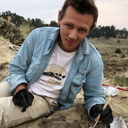
Koen Stein